How to Discover Independent Music You Will Actually Enjoy?

Finding new music should feel exciting. Yet endless playlists and repeated recommendations can make it feel like work.

Independent music offers a different path. It can introduce you to fresh sounds, honest lyrics, and artists with real creative freedom. The key is knowing where and how to look.

In this guide, I will share simple ways to discover independent music that fits your taste.

What Is Independent Music?

Independent music is created outside the major-label system. Some artists release music on their own. Others work with small labels, producers, or local studios.

Independent music is not one genre. It can include:

What connects these artists is their creative control. They often make decisions about their songwriting, production, artwork, and promotion.

This freedom can lead to music that feels more personal and original.

Start With Music You Already Love

Think about your favorite songs. What keeps you coming back?

It may be the vocals, rhythm, lyrics, mood, or instruments. Use those details when searching for new independent artists.

Try specific searches such as:

Clear search terms usually give you better results.

Search by Mood, Not Just Genre

I believe mood is one of the best ways to discover music. Sometimes you want something calm and reflective. Other times, you need energy.

Search for music that matches the moment. You might look for uplifting indie songs, atmospheric music, or acoustic tracks for relaxing.

You can also read my guide on how to build a playlist that matches your mood.
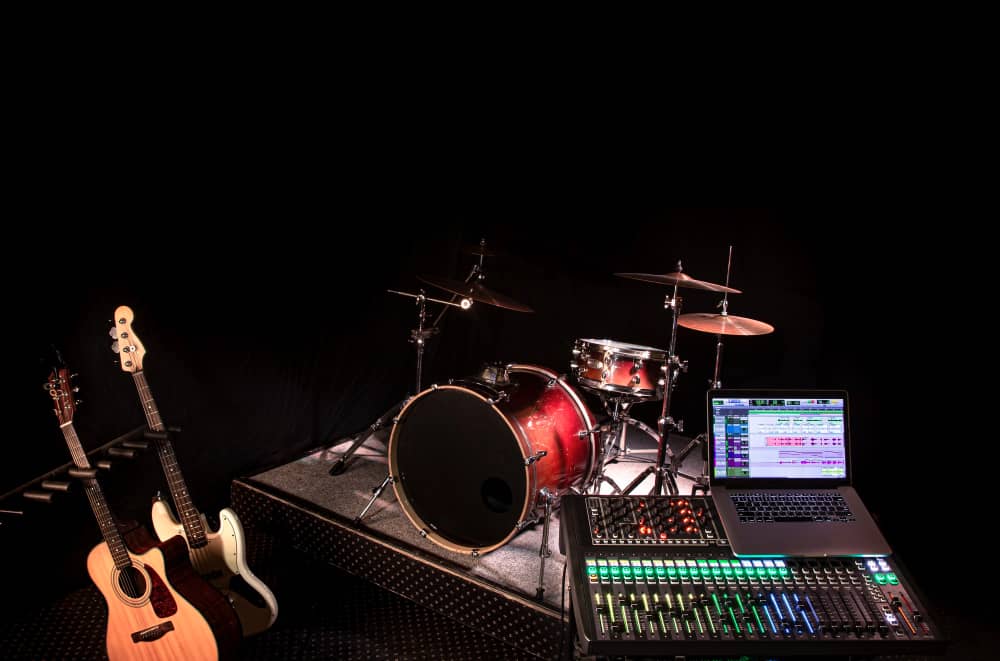
Music From Baton Rouge

Use Streaming Platforms With Purpose

Spotify, Apple Music, and YouTube Music can help you discover new music. Start with an artist you enjoy. Then explore related artists, artist radio, and independent playlists.

Save the songs you genuinely like. Follow the artists you want to hear again. These actions help the platform improve your future recommendations.

Do not rely only on trending playlists. Smaller playlists made by musicians, bloggers, and independent curators often feature more original sounds.

Explore Bandcamp and SoundCloud

Bandcamp and SoundCloud are great places to find unsigned musicians and self-released music.

Search by genre, mood, instrument, or location. Listen to full albums, EPs, demos, and live recordings. An artist’s most popular song may not be the one that connects with you.

If you enjoy the music, consider buying a release or following the artist. Direct support helps independent musicians create more work.

Follow Music Blogs, Radio, and Social Pages

Independent music blogs often feature emerging artists before they reach larger audiences. College radio, community radio, podcasts, and online stations can also introduce you to unexpected sounds.

Social media is useful when you search with intention. Follow musicians, producers, studios, record stores, and live venues. Artists often recommend other artists they respect.

If a short clip catches your attention, listen to the complete song. Then explore more of the artist’s catalogue.

Explore Your Local Music Scene

Local shows can make music discovery more personal. Visit small concerts, open-mic nights, festivals, and record-store events.

Here in Baton Rouge, local venues and community music pages can lead you to talented Louisiana artists. A live performance also lets you experience an artist’s voice, energy, and connection with the audience.

Ask for Better Recommendations

Instead of asking someone for “new music,” explain what you like.

You might ask:

Friends, musicians, DJs, and record-store staff can offer recommendations that algorithms may miss.

Give New Music Time

Do not judge an artist after a few seconds. Try at least two or three songs.

Listen to a recent single, a live performance, and a deeper album track. Notice the songwriting, vocals, production, rhythm, and emotional tone.

Streaming numbers do not decide whether a song is right for you. Your own response matters more.

Build a Personal Discovery Playlist

Create one playlist for new discoveries. Add promising tracks and return to them later.

Move your favorites into permanent playlists based on mood, genre, or activity. Remove songs that no longer connect with you. This keeps your music collection personal and easy to enjoy.

Explore My Independent Music From Baton Rouge

I create original music in Baton Rouge, Louisiana. Each release reflects my ideas, influences, and artistic direction.

My sound continues to change as I explore new creative ideas. You can learn more about how I choose the right sound for each release and how my sound has evolved over the years.

You can also check out my Music and Albums to hear my latest work.

Find Music That Feels Personal

Start with the sounds you already love. Search by genre, mood, instruments, and lyrical themes. Explore independent playlists, Bandcamp, SoundCloud, music blogs, local venues, and artist communities.

Stay curious and give unfamiliar songs time. Your next favorite independent artist may be closer than you think.

Explore my latest music and discover a song that speaks to you.
How to Build a Playlist That Matches Your Mood?

Music can meet you wherever you are. The right song can calm your mind, lift your energy, or help you process a difficult feeling.

A mood-based playlist makes that experience more personal. Instead of playing random tracks, you choose music that fits the moment. Here is how I build a playlist that feels natural, focused, and emotionally real.

Why Does Music Affect Your Mood?

Music connects rhythm, melody, lyrics, and memory. A fast beat can create energy. Soft instruments may bring calm. Meaningful lyrics can make us feel understood.

Songs also connect with past experiences. A familiar track may bring back a person, place, or special moment.

Start With How You Feel

Before choosing songs, ask yourself one simple question: How do I feel right now?

You may feel:

Try to name the feeling clearly. This gives your playlist a strong direction.

Choose a Clear Mood or Theme

A clear theme makes the playlist feel complete. You can build it around an emotion, activity, season, memory, or time of day.

Some useful playlist ideas include:

Keep the theme specific. “Happy music” is broad. “Easy Sunday morning songs” creates a clearer mood and atmosphere.

Choose Songs That Fit the Feeling

Choose each track based on how it sounds and how it makes you feel. Do not focus only on genre or popularity.

Listen to the tempo, rhythm, melody, vocals, instruments, and production. These musical elements shape the energy of the song.

Lyrics matter too. A song may sound bright while telling a sad story. Another may have a slow beat but carry a hopeful message. Listen to the full emotional tone before adding it.

Mix Old Favourites With New Music

Favourite songs give your playlist comfort and personality. New music keeps it fresh.

Start with tracks you already love. These songs can act as the emotional foundation of your playlist. Then add new artists, albums, and releases with a similar sound.

Streaming platforms such as Spotify, Apple Music, and YouTube Music can help you discover related tracks. Use their recommendations as a starting point, but make the final choice yourself.

A personalised playlist should reflect your taste. It should not feel like an automated list of popular songs.

Mix Old Favourites With New Music

Arrange the Songs to Create a Journey

Track order matters. I want the songs to feel connected from beginning to end.

I start with a track that introduces the mood. I then build the energy slowly through the middle. The final song should leave the right feeling, whether that is peace, hope, excitement, or reflection.

Smooth transitions help the playlist feel intentional. Sudden changes in volume, tempo, or style can break the experience.

Shift Your Mood Slowly

A playlist can also guide you from one emotional state to another. The key is to make the change slowly.

If you feel low but want more energy, do not begin with the happiest song you know. Start with a track that matches your current feeling. Then move toward songs with warmer melodies, stronger beats, and more hopeful lyrics.

This gradual transition feels natural. It gives your mind time to follow the music.

Balance Variety and Consistency

Variety keeps a playlist interesting. Consistency keeps it focused.

You can combine different genres if the songs share a similar mood. An acoustic track, an R&B song, and an electronic release may still work together when their energy and atmosphere feel connected.

Look for common elements such as:

Do not add a song only because you like it. Save it for another playlist if it interrupts the emotional flow.

Keep the Playlist Focused

There is no perfect number of songs. The right length depends on how and where you plan to listen.

A short playlist may work well for a morning routine, meditation session, or quick workout. A longer playlist is better for travel, work, studying, or a full evening.

Focus on quality rather than track count. Ten carefully selected songs can create a stronger experience than fifty unrelated ones.

Remove repeated tracks or songs that feel unnecessary. Every selection should support the mood.

Listen and Make Changes

Listen to your playlist while doing the activity it was created for. This helps you notice problems that may not appear during editing.

Check whether:

Do not be afraid to remove a track. Editing is an important part of playlist building. One song can be excellent on its own but wrong for the overall experience.

How My Creative Process Shapes My Playlists

As an artist, I always begin with feeling. I think about the atmosphere I want to create and the emotion I want the listener to carry.

I use the same approach when making playlists. Rhythm, lyrics, melody, and small production details all help shape the experience.

You can also learn more about how I choose the right sound for each new release and how emotion guides my creative process.

Build a Playlist That Feels Like You

The best mood-based playlist is personal. Start with how you feel, choose a clear purpose, and trust your connection to each song.

Arrange the tracks so they tell a story. Keep what works and remove what does not.

If you are looking for a fresh sound, explore my latest music. You may find the next track for your personal playlist.

Listen to My Latest Music

How My Sound Has Evolved Over the Years

Music has always given me a way to express what words alone cannot say. Yet my sound did not develop all at once. It grew through practice, reflection, and a willingness to try new ideas.

I am Mike White Cloudwalker, an independent music artist from Baton Rouge, Louisiana. Every stage of my musical journey has taught me something new. My earlier work helped me find my direction. My latest music shows a clearer sense of who I am as an artist.

Where My Musical Journey Began

My journey began with a desire to express myself through music. I was drawn to the way a melody or lyric could hold a strong emotion.

My early work was about discovery. I listened, experimented, and learned how different parts of a song work together. Those first steps gave me the foundation I still build on today.

The Influences Behind My Early Sound

Different artists, sounds, and life experiences shaped my early music. They taught me about songwriting, emotion, rhythm, and musical storytelling.

Baton Rouge also influenced my outlook. Louisiana has a rich musical culture and a strong sense of identity. Growing up around that creative energy helped shape my perspective as an artist.

Over time, I stopped focusing on what my music should sound like. I began paying more attention to what felt honest and natural to me.

Finding My Own Voice

Finding my artistic voice did not happen overnight. It developed one song at a time.

As I gained experience, I became more confident in my creative choices. I started trusting my instincts and giving each song room to find its own direction.

My music became more personal as a result. The goal was no longer just to create a good sound. I wanted each song to communicate a real feeling or idea.

How My Songwriting Has Changed

My songwriting process is more focused today. A song may begin with a lyric, melody, rhythm, memory, or emotion. I then build around that central idea.

I now think more carefully about structure and pacing. I also know when to keep things simple. A clear melody or honest line can sometimes say more than a complex arrangement.

Life experience has also changed my lyrics. I write with more reflection and purpose. I want my songs to feel personal while still giving listeners space to find their own meaning.

Songwriting Has Changed

Experimenting With New Sounds

Experimentation has played an important role in the evolution of my music. I enjoy trying different arrangements, rhythms, melodies, and vocal approaches.

Not every idea becomes a finished track. Some experiments simply teach me what works. Others lead my music in an unexpected direction.

I do not want to force every song into the same style. Each one has its own mood and message. I let those qualities guide the sound.

What Recording Has Taught Me

Recording helped me hear my music in greater detail. It showed me how timing, vocal delivery, arrangement, and production can change the feeling of a track.

I have learned to be patient during this process. Sometimes a small change brings the whole song together. At other times, removing an unnecessary layer creates more space for the emotion.

My aim is to create a polished sound without losing its human quality. I want each track to feel clear, honest, and true to the original idea.

Earlier Music and My Latest Releases

My earlier music reflects a period of exploration. I was discovering how I wanted to write, perform, and share my ideas.

My latest releases show more confidence. I now have a clearer sense of my artistic identity and creative direction. My songwriting feels more intentional, and my production choices serve the message of each song.

I do not see my older music as separate from who I am today. Every track represents a stage in my growth as an artist.

You can explore my albums and listen to my latest music to hear how that journey has developed.

What Has Stayed the Same

My sound has changed, but the heart of my music remains the same. I still value original ideas, honest expression, and meaningful storytelling.

I also remain curious. I want to keep exploring new sounds without losing the qualities that make my music personal.

That balance between growth and honesty continues to guide my creative process.

How I Create Music Today

My current process usually begins with a small idea. It could be a phrase, melody, rhythm, or feeling.

I develop that idea into a full song. Then I refine the lyrics, arrangement, and performance. I remove anything that does not support the message.

A song feels ready when the words, emotion, and music work together. 

Where My Music Is Going Next

I am still developing as an artist. That means my sound will continue to evolve.

I want to strengthen my songwriting, explore fresh ideas, and find new ways to connect with listeners. I do not need to predict every direction. Part of making music is allowing the creative journey to surprise me.

Hear My Musical Evolution

Every song tells part of my story. My earlier work shows where I began, while my latest releases reflect the artist I am becoming.

I invite you to follow my journey and experience the evolution of my music for yourself.

How Do I Choose the Right Sound for Each New Release?

Every song needs its own sound. I do not use the same formula for every new music release.

I start with the feeling behind the song. Then I explore the melody, rhythm, instruments, and vocal style. My goal is to create a sound that supports the story while staying true to who I am as an artist.

I Start With the Feeling

Before I choose a genre or beat, I ask what I want the listener to feel.

A thoughtful song may need a slower tempo and warm tones. An uplifting track may call for a stronger rhythm and brighter melody.

That first feeling guides my entire music creation process. It helps me make choices that feel natural.

I Let the Song Lead

Some songs start with a lyric. Others begin with a melody, chord progression, beat, or personal thought.

I listen to the original idea before deciding where it should go. I do not force it into one musical style. Instead, I give it space to develop.

Sometimes the first direction works. Other times, I test several versions before I find the right sound.

Choosing the Musical Direction

I choose a genre that fits the song’s mood and message. I may also blend different musical influences to create something more personal.

Exploring new styles helps me grow as an independent artist. Still, I want every release to carry my artistic identity.

The sound may change, but the honesty behind it stays the same.

Musical Direction

Building the Sound Around the Story

The story shapes the arrangement.

If the lyrics feel personal, I may keep the music simple. This gives the words more space. If the song feels bold, I may use a fuller sound with more energy.

I also think about atmosphere. Harmony, dynamics, silence, and sonic texture can all change how a listener experiences the story.

Choosing Instruments With Purpose

I select instruments that support the emotion of the song. I do not add sounds just to make the production feel bigger.

A guitar, piano, drum pattern, bass line, or synthesizer may become the heart of the arrangement. I then add layers with care.

Every sound needs a purpose. If an instrument distracts from the message, I remove it.

Finding the Right Rhythm and Tempo

Tempo affects the entire mood of a song. Even a small change can make the music feel more relaxed, urgent, or energetic.

I test different speeds and rhythms until the groove feels right. I also use pauses and changes in intensity to keep the arrangement moving.

The rhythm should carry the listener without overpowering the lyrics.

Using My Voice to Shape the Song

My vocal delivery helps define each release.

Some songs need a softer and more personal performance. Others need more power. I choose the approach that best communicates the emotion.

I may use harmonies, layered vocals, reverb, or delay. These choices add depth, but the main vocal must remain clear and real.

Experimenting Before Making a Final Choice

Experimentation is an important part of my creative process.

I may change an instrument, adjust the tempo, or try a different vocal style. Comparing several versions helps me hear what the song truly needs.

I also know when to simplify. A good idea may not belong in every track. Removing it can make the final song stronger.

Refining the Final Sound

Once the arrangement feels right, I focus on production and mixing.

I balance the voice, instruments, bass, and rhythm. I may use EQ, compression, reverb, and other effects to create clarity and space.

I also listen through headphones, speakers, a car stereo, and mobile devices. This helps me make sure the track feels consistent wherever you hear it.

Knowing When the Song Is Ready

A song is ready when its sound, message, and emotion work together.

I often step away from the track before making my final decision. When I return with fresh ears, I listen to the entire song without stopping.

If the music feels complete and nothing distracts from the message, I prepare it for mastering and release.

How Baton Rouge Shapes My Perspective

Being an artist from Baton Rouge, Louisiana, is part of my creative identity.

My surroundings and personal experiences shape the way I hear rhythm, emotion, and storytelling. I carry that perspective into my original music while continuing to explore new sounds.

I do not try to follow one fixed style. I focus on making music that feels personal to me.

Every Release Is a New Chapter

Each new music release gives me a chance to grow.

I can explore a new genre, instrument, or production style without losing my musical identity. That freedom keeps the process exciting.

My sound will continue to evolve. Still, every song will carry my voice, my choices, and part of my story.

Listen to My Latest Music

Choosing the right sound takes time, experimentation, and trust. I follow the feeling of the song and let each creative choice support its message.

Visit my music page to hear my latest release. You can also read How My Sound Has Evolved Over the Years to learn more about my journey as a Baton Rouge music artist.